
One of the first questions customers ask before renting a dumpster is, "How much will it cost?" The answer depends on several factors, including the size of the dumpster, the length of the rental period, the type of debris being disposed of, and the overall scope of the project.
Whether you're planning a home cleanout, renovation, roofing project, or construction job, understanding what influences dumpster rental prices can help you choose the right container and avoid unexpected costs.
While every project is different, knowing the primary pricing factors can make it easier to plan your budget and select the most appropriate dumpster for your needs.
Dumpster rental costs are influenced by more than just the size of the container.
Several factors typically play a role in determining pricing, including:
Because no two projects generate the same amount or type of waste, pricing can vary significantly depending on the circumstances.
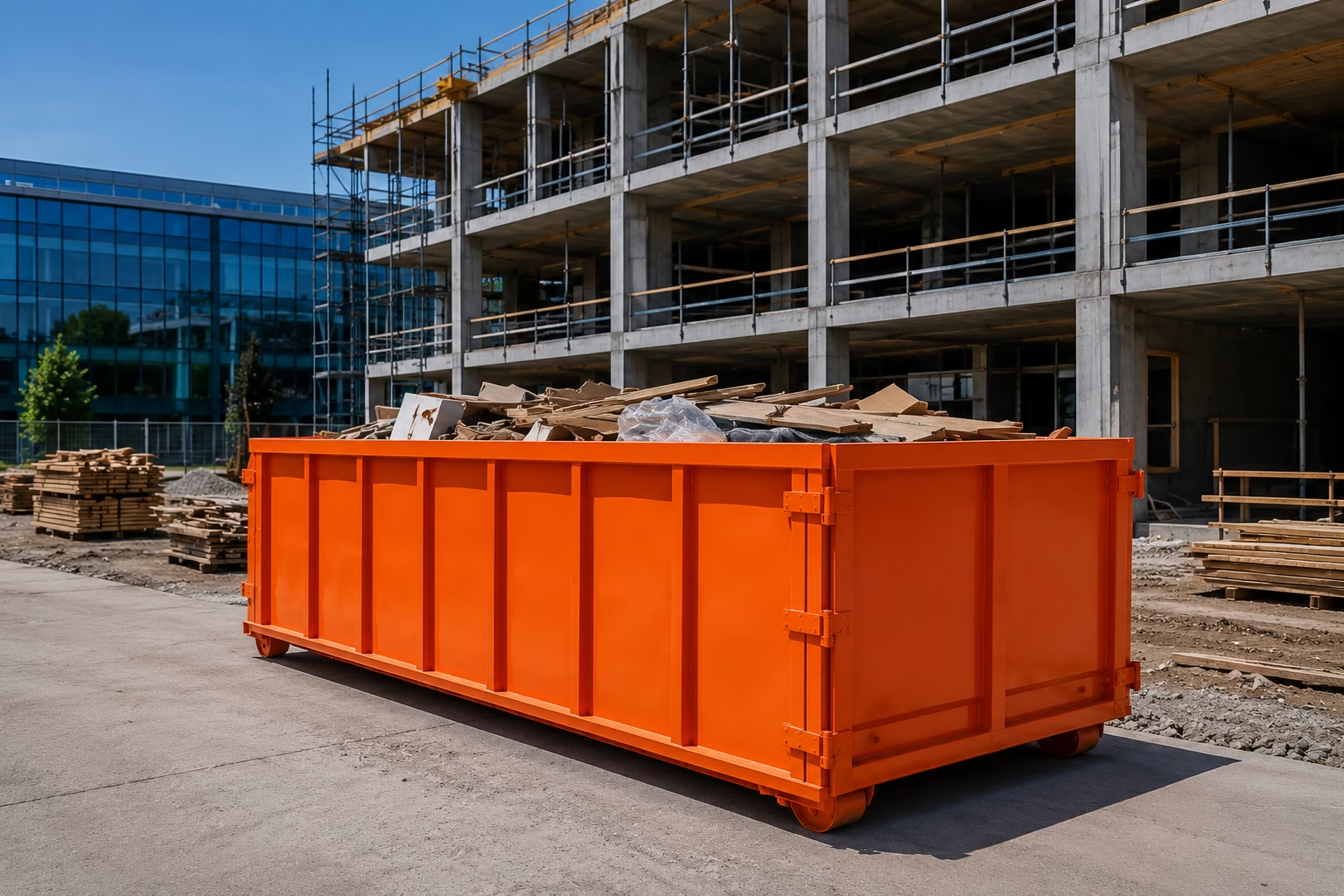
One of the biggest factors affecting dumpster rental prices is container size.
Smaller dumpsters generally cost less than larger containers because they hold less debris and often have lower disposal costs.
For example, a 10 yard dumpster rental is typically used for smaller cleanouts and minor projects, while a 20 yard dumpster rental is often selected for larger residential cleanups and renovation work.
Projects generating significant amounts of debris may require a 30 yard dumpster rental or 40 yard dumpster rental, which provide additional capacity but may involve higher overall costs due to increased volume and disposal requirements.
Choosing the right size from the beginning can help prevent unnecessary expenses associated with underestimating project needs.
How long you keep the dumpster can also affect pricing.
Some projects only require a container for a few days, while others may need waste management support for several weeks.
Customers completing a quick cleanup often benefit from a short-term dumpster rental, while larger projects may require a long-term dumpster rental to accommodate ongoing debris removal.
Understanding the expected project timeline can help determine the most cost-effective rental option.
The type of material being placed in the dumpster can significantly impact disposal costs.
Certain materials are heavier than others, which may affect transportation and landfill fees.
Common debris categories include:
Projects involving heavy materials often require special consideration. For example, a concrete dumpster rental may have different requirements than a typical household cleanout because of the weight associated with concrete and masonry debris.
Understanding what will be placed in the dumpster helps ensure the correct container is selected for the project.
Homeowners frequently rent dumpsters for cleanouts, moving projects, and home improvements.
A residential dumpster rental may be used for:
The total cost often depends on the amount of debris being removed and the size of the dumpster required to complete the project.
Businesses and contractors often have different waste management requirements than homeowners.
A commercial dumpster rental may be used for office renovations, retail remodels, and tenant improvement projects, while a construction dumpster rental is commonly used for job sites generating significant amounts of debris.
Construction projects often require larger containers and longer rental periods, which can influence overall costs.
Selecting a dumpster that aligns with project requirements can help improve efficiency while avoiding unnecessary expenses.
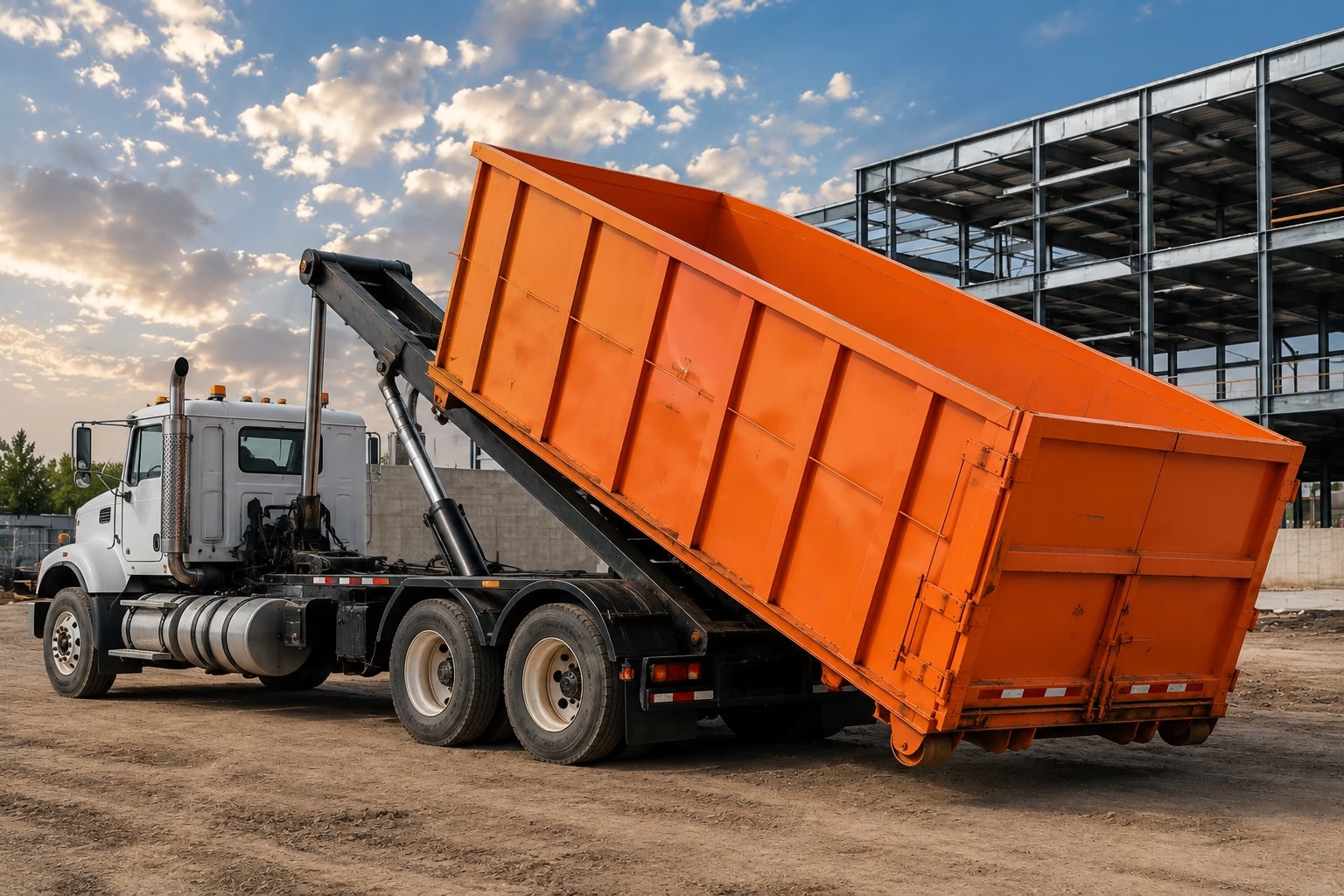
One of the best ways to manage dumpster rental costs is to select the correct container size and rental period from the start.
Some helpful tips include:
Proper planning often helps customers avoid additional fees while ensuring the project runs smoothly.
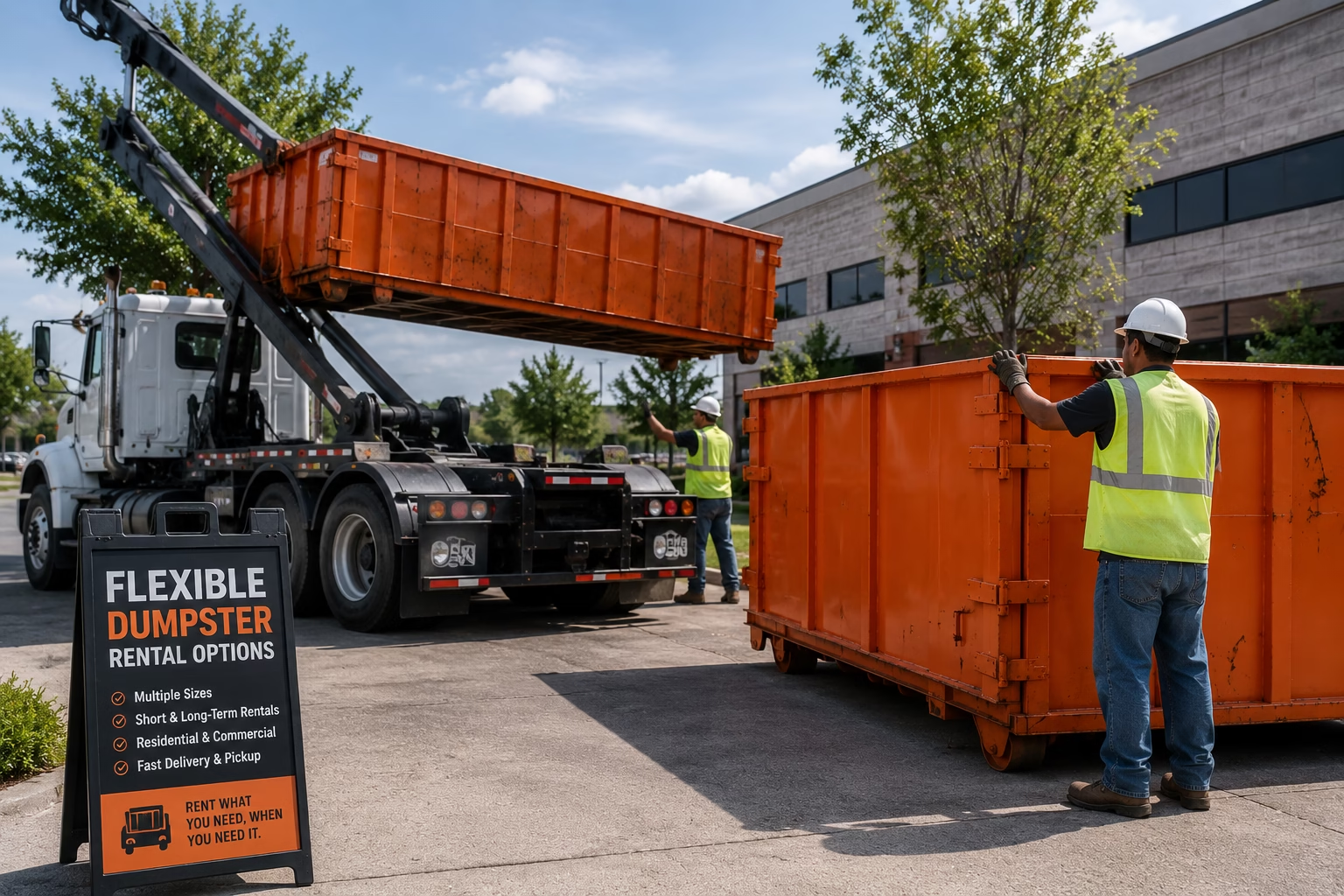
Many customers assume that renting the largest dumpster available is the safest option.
In reality, a larger dumpster isn't always the most cost-effective choice.
For example, a homeowner cleaning out a garage may only need a 10 yard dumpster rental, while a major renovation project may require a 20 yard dumpster rental or larger.
Choosing a container that matches the scope of the project often provides the best balance between convenience and cost.
Although renting a dumpster involves an upfront cost, many customers find it more economical than making multiple disposal trips.
A dumpster helps:
For larger projects, having a dumpster available often results in a smoother and more organized cleanup process.
Dumpster size, rental duration, debris type, and disposal requirements are typically the biggest factors affecting overall cost.
Generally, larger dumpsters cost more than smaller containers because they can hold more debris and often involve greater disposal expenses.
Construction projects frequently generate heavier debris and may require larger containers, which can influence pricing.
Yes. Keeping a dumpster for a longer period may impact overall rental costs depending on project requirements.
The best dumpster size depends on the amount of debris being generated and the type of project being completed.
Understanding dumpster rental prices starts with understanding your project. Factors such as dumpster size, debris type, rental duration, and waste volume all play a role in determining the most appropriate solution.
Explore our dumpster size pages and project-specific rental services to find the right dumpster for your cleanup, renovation, or construction project.