
Construction projects generate debris from the moment work begins. Whether you're building a new home, renovating a commercial property, replacing a roof, or managing a demolition project, waste materials can quickly pile up and create safety hazards if they're not handled properly.
A construction dumpster rental provides contractors, builders, and property owners with a convenient way to manage debris throughout every stage of a project. Instead of allowing materials to accumulate around the worksite, crews can dispose of waste directly into a designated container, helping maintain a cleaner and more organized job site.
From residential renovations to large commercial developments, construction dumpsters play an important role in keeping projects efficient and on schedule.
Construction work produces a constant stream of waste.
Lumber scraps, drywall, insulation, roofing materials, packaging, flooring, concrete, metal, and demolition debris all need to be removed throughout the project.
Without a dedicated dumpster, debris often creates unnecessary clutter, increases safety risks, and slows down productivity.
A construction dumpster allows crews to remove waste as work progresses, helping maintain a safer environment while making cleanup more manageable.
For many contractors, having a dumpster on-site is just as important as having the right tools and equipment.
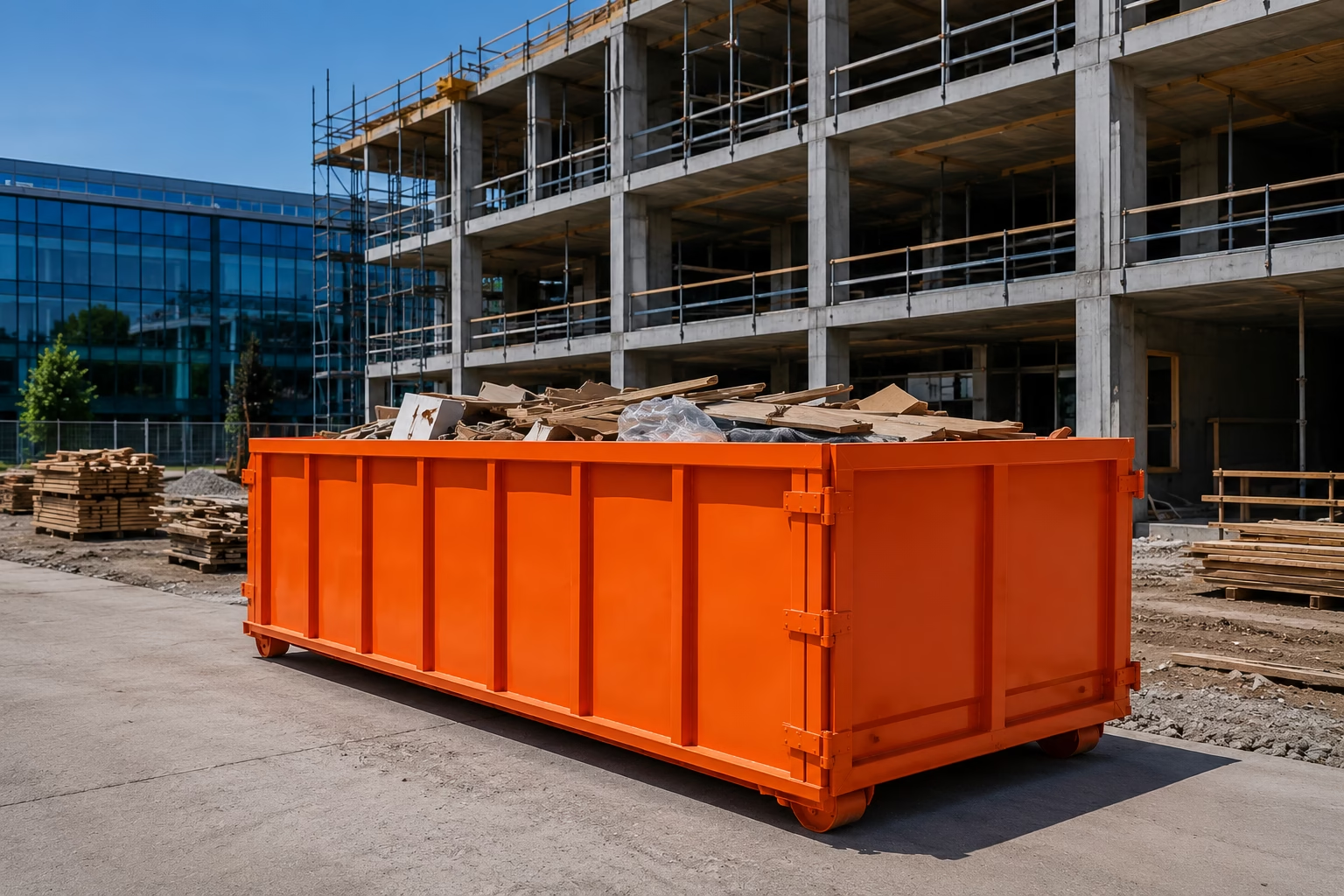
New construction projects generate waste during every phase of development.
From site preparation and framing to finishing work and final cleanup, there is a continuous flow of materials that need to be discarded.
Common construction debris includes:
Lumber offcuts
Packaging materials
Drywall scraps
Insulation
Flooring waste
Trim materials
General job site debris
Many contractors choose larger containers because construction waste accumulates faster than most people expect.
Projects involving multiple trades often benefit from a 30 yard dumpster rental or a 40 yard dumpster rental to keep debris under control throughout the build.
Remodeling projects create a combination of demolition debris and construction waste.
Old cabinets, countertops, flooring, drywall, tile, fixtures, and other materials must often be removed before new work can begin.
Many contractors and property owners utilize a remodeling dumpster rental because it helps simplify cleanup during renovation projects.
Having a dumpster positioned near the work area allows crews to dispose of materials immediately, reducing clutter and helping maintain project efficiency.
Demolition projects generate some of the largest volumes of debris.
Whether it's a complete structure removal, an interior demolition, or selective tear-out work, waste materials can accumulate rapidly.
Construction dumpsters are commonly used for:
Choosing the correct dumpster size is especially important during demolition projects because debris volume can increase significantly once work begins.
Roof replacement projects create large quantities of heavy debris in a short amount of time.
Old shingles, underlayment, flashing, nails, and roofing materials need to be removed safely and efficiently throughout the project.
Many contractors utilize a dedicated roofing dumpster rental because it allows roofing debris to be loaded directly into the container as materials are removed.
This helps improve job site safety while reducing cleanup time once the project is complete.
Some construction projects involve materials that are significantly heavier than standard construction debris.
Concrete, brick, asphalt, stone, and masonry waste require proper planning when selecting a dumpster.
Projects involving these materials often benefit from a concrete dumpster rental because weight limits and loading considerations are especially important when handling dense debris.
Proper dumpster selection helps prevent loading issues while ensuring waste can be removed efficiently.
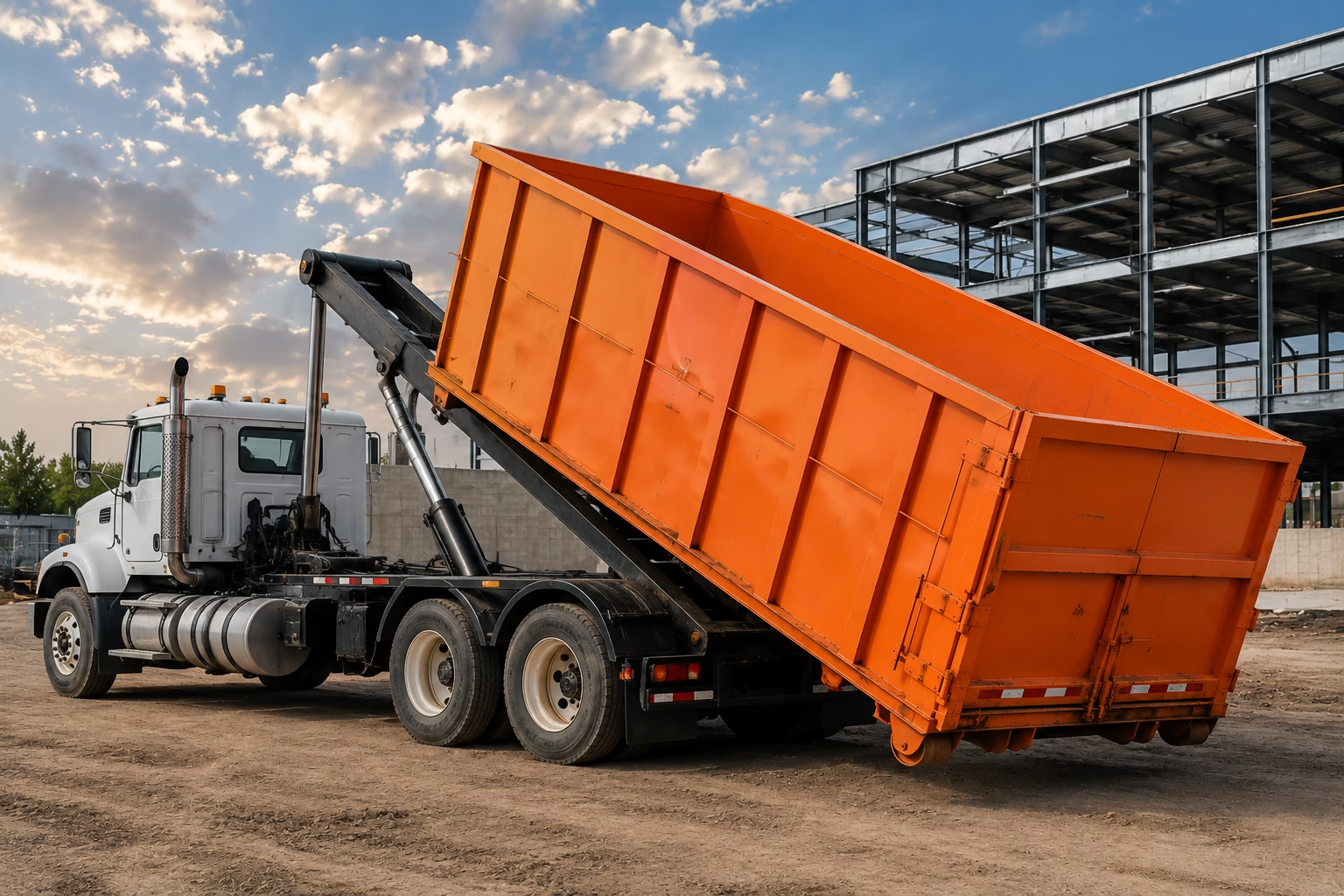
Many contractors rely on roll off dumpster rentals because they provide flexibility and convenience throughout a project.
Their open-top design makes loading easy, even when handling bulky materials such as lumber, drywall, roofing debris, and demolition waste.
Roll off dumpsters are commonly used for:
Their versatility makes them one of the most popular waste management solutions in the construction industry.
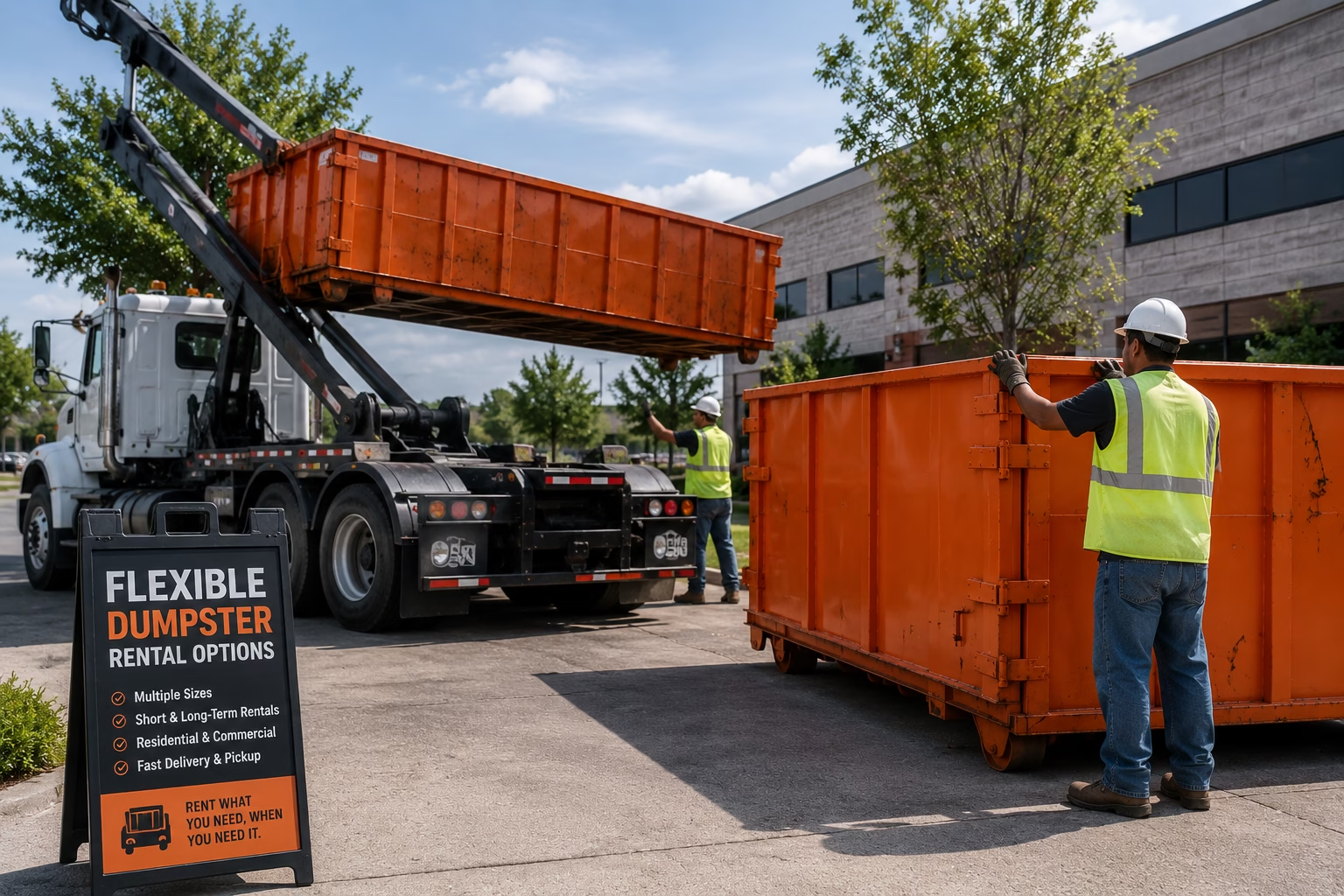
The ideal dumpster size depends on the scope of the project and the amount of debris expected.
Smaller renovation projects often fit comfortably inside a 20 yard dumpster rental, making it a popular choice for residential remodeling and roofing work.
Medium-sized construction jobs frequently require a 30 yard dumpster rental, which provides additional capacity for construction debris.
Larger commercial projects, major demolitions, and extensive construction work often benefit from a 40 yard dumpster rental because of its ability to handle significant volumes of waste.
Every construction project follows a different timeline.
Some jobs can be completed in a matter of days, while others continue for several months.
Depending on project requirements, contractors may benefit from a short-term dumpster rental for smaller projects or a long-term dumpster rental for ongoing construction work.
Projects that need immediate waste management support may also benefit from a same day dumpster rental when schedules change unexpectedly.
Construction dumpsters help improve project efficiency by creating a centralized location for debris disposal.
Benefits often include:
When debris is managed properly, crews can focus on completing the project rather than dealing with unnecessary clutter and disposal challenges.
Construction dumpsters are commonly used for lumber, drywall, roofing materials, flooring, insulation, packaging, demolition debris, and many other construction-related materials.
The ideal size depends on the scope of the project. Many contractors utilize 20, 30, or 40 yard dumpsters depending on debris volume.
Yes. Construction dumpsters are frequently used during demolition work to collect and remove debris safely and efficiently.
Absolutely. Roll off dumpsters are among the most common waste management solutions used on residential and commercial construction projects.
Yes, although concrete is much heavier than typical construction debris. Projects involving large amounts of concrete often require specialized dumpster planning.
Whether you're building a new structure, managing a renovation, replacing a roof, or overseeing a demolition project, a construction dumpster rental can help keep debris under control and your job site running efficiently.
Explore our available dumpster sizes and project-specific dumpster solutions to find the right option for your next construction project.