
Roof replacement projects generate a surprising amount of debris. Old shingles, underlayment, flashing, vents, nails, and other roofing materials must be removed quickly and safely to keep the project moving forward.
Without a dedicated dumpster, roofing debris can accumulate around the property, creating safety concerns and making cleanup more difficult.
A roofing dumpster rental provides homeowners, contractors, and roofing companies with a convenient way to contain debris throughout the project. Instead of making repeated disposal trips, roofing materials can be loaded directly into a dumpster as they are removed from the roof.
Whether you're replacing a residential roof, upgrading a commercial property, or completing a large roofing project, having the right dumpster can make the entire job more efficient.
Unlike many home improvement projects, roofing work creates a large amount of debris in a very short period of time.
Once the tear-off begins, materials start coming off the roof rapidly.
Common roofing debris includes:
A roofing dumpster helps keep these materials contained throughout the project while making cleanup significantly easier once the work is complete.
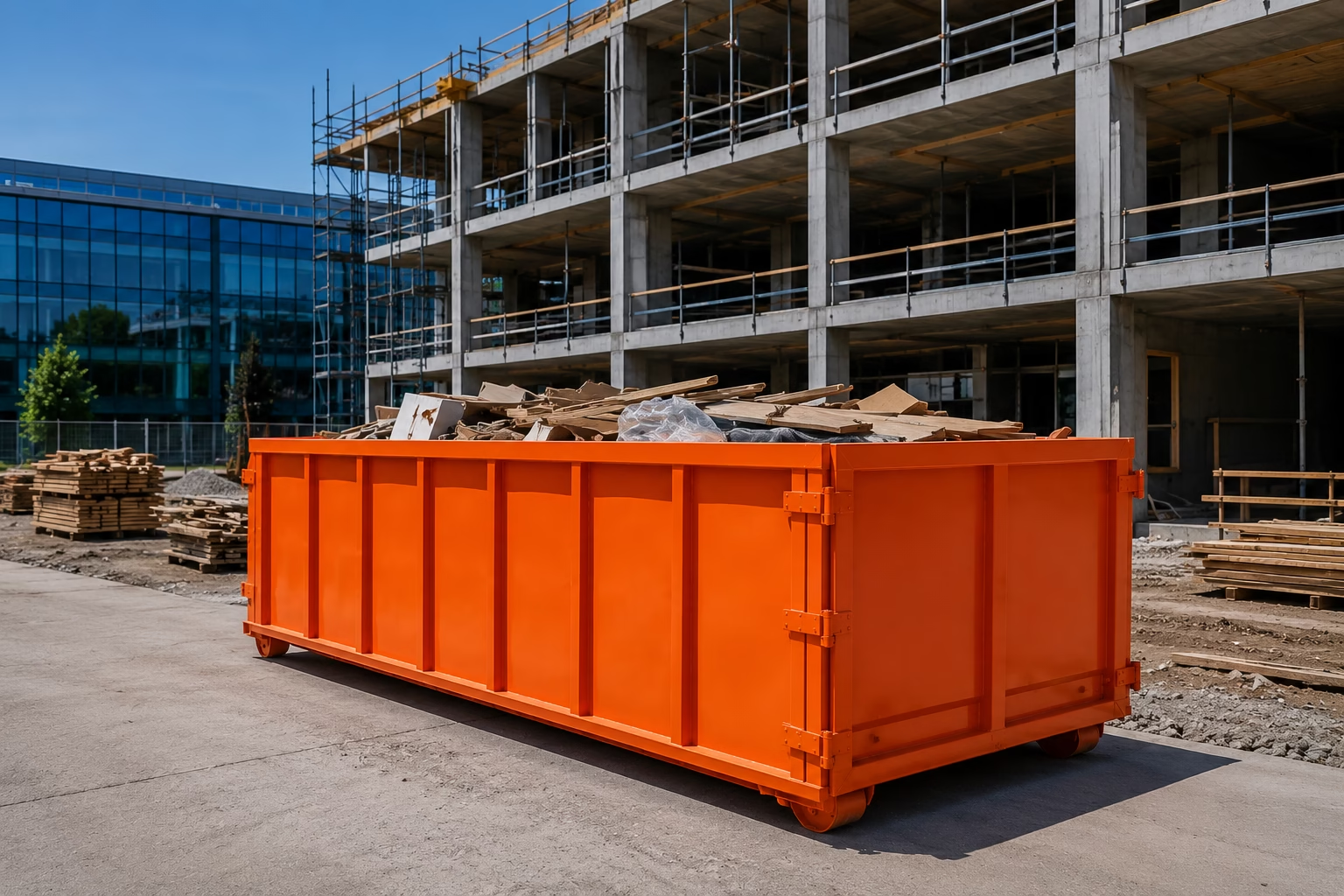
A complete roof tear-off is one of the most common reasons customers rent a dumpster.
Removing an old roof typically produces thousands of pounds of debris that must be disposed of efficiently.
Instead of allowing materials to accumulate around the property, contractors can load debris directly into the dumpster as work progresses.
This helps:
For many roofing crews, having a dumpster on-site is an essential part of the project.
Homeowners replacing aging roofs often underestimate the amount of waste generated during the process.
Even an average-sized residential roof can produce substantial amounts of shingles and roofing materials.
Many property owners choose a residential-dumpster-rental solution alongside a roofing dumpster because it provides a simple way to manage debris without disrupting the rest of the property.
Keeping roofing waste contained also helps protect landscaping, driveways, and outdoor living areas from excessive clutter.
Commercial roofing projects often generate even larger volumes of debris.
Flat roofs, office buildings, retail centers, warehouses, and industrial facilities may require significant material removal before new roofing systems can be installed.
Many contractors utilize a commercial dumpster rental because larger containers can accommodate the debris produced during commercial roofing work.
The right dumpster size can help crews maintain productivity while reducing delays caused by overflowing debris piles.
Roof replacements are often part of larger renovation or construction efforts.
Property additions, major remodels, storm damage repairs, and redevelopment projects frequently involve roofing work alongside other construction activities.
Many contractors pair roofing waste removal with a construction dumpster rental when multiple types of debris are being generated throughout the project.
This approach helps keep job sites organized while simplifying overall waste management.
The ideal dumpster size depends on the size of the roof and the amount of material being removed.
Smaller roofing projects may fit comfortably inside a 10 yard dumpster rental, particularly when working on garages, sheds, or smaller residential structures.
Many residential roof replacements utilize a 20 yard dumpster rental, which remains one of the most popular choices for roofing debris.
Larger homes and commercial roofing projects often benefit from a 30 yard dumpster rental for additional capacity.
For large commercial roofs and major roofing projects, a 40 yard dumpster rental may provide the most practical solution.
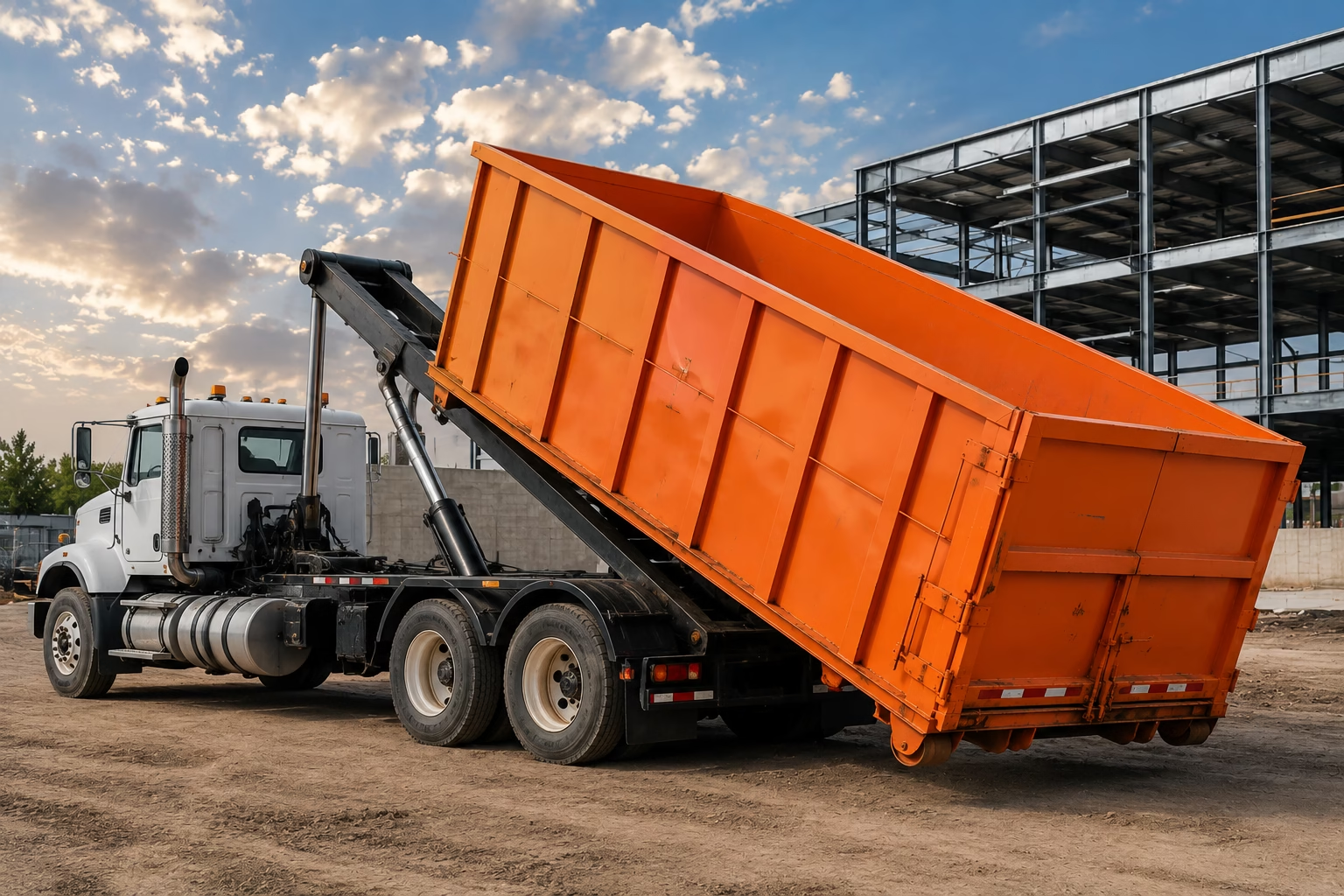
Most roofing jobs utilize a roll off dumpster rental because these containers are easy to position near the work area and can accommodate heavy roofing debris.
Roofing contractors often prefer roll off dumpsters because they:
Their versatility makes them one of the most common waste removal solutions used in the roofing industry.
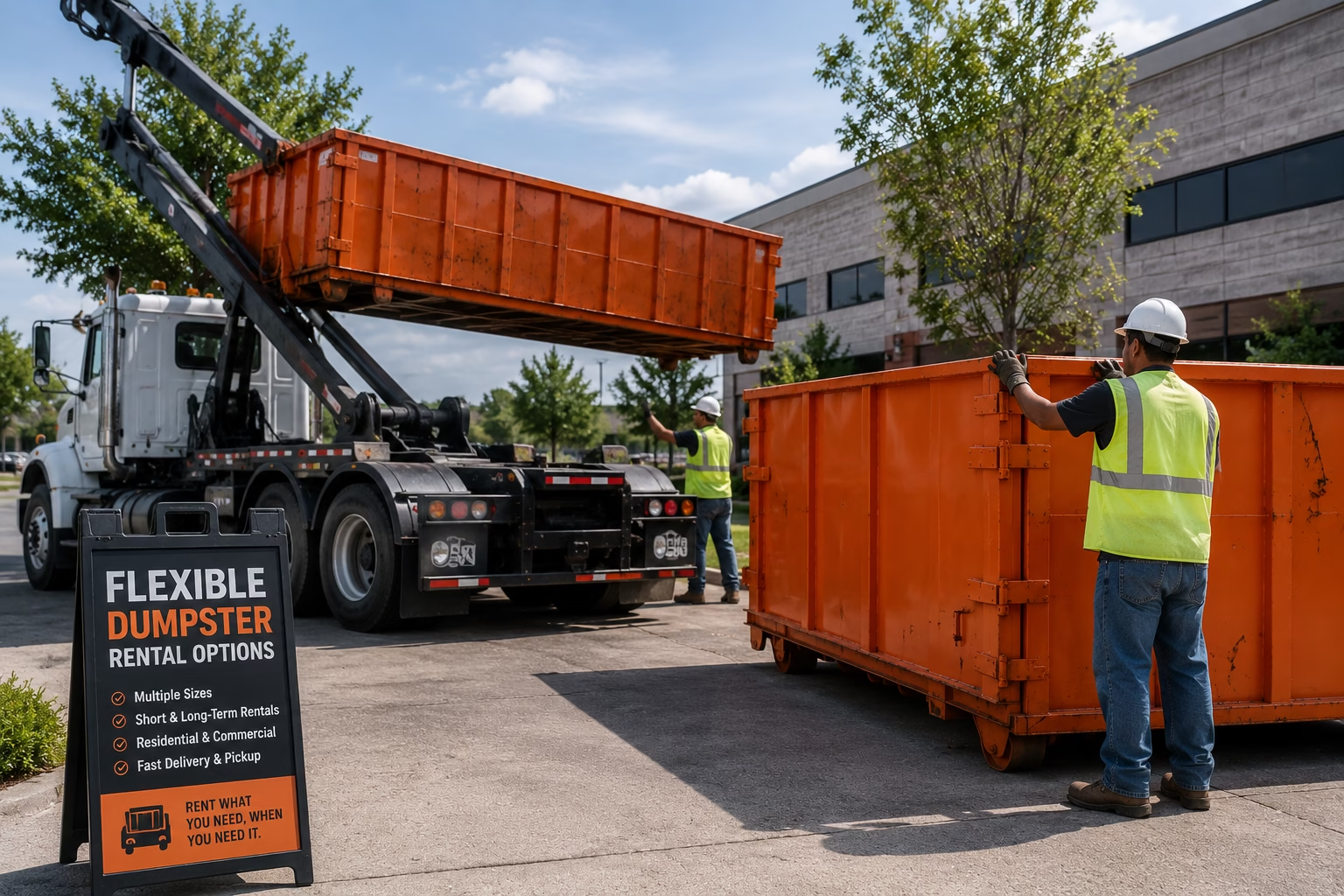
A roofing dumpster can help make roof replacement projects significantly easier to manage.
Benefits include:
For contractors and homeowners alike, having a dedicated dumpster often improves the overall roofing experience.
Roofing dumpsters are frequently used to dispose of:
These materials can accumulate quickly, making proper disposal planning an important part of any roofing project.
A roofing dumpster rental provides a temporary dumpster specifically used for collecting and disposing of roofing debris during roof replacement and repair projects.
Many residential roof replacements utilize a 20 yard dumpster, although larger projects may require 30 or 40 yard containers.
Yes. Roofing dumpsters are commonly used for asphalt shingles, underlayment, flashing, and other roofing materials.
Absolutely. Roll off dumpsters are one of the most common waste management solutions used throughout the roofing industry.
Yes. Commercial roofing contractors frequently utilize larger dumpsters to manage debris generated during large roof replacement projects.
Whether you're replacing a residential roof, completing a commercial roofing project, or managing a large roof tear-off, a roofing dumpster rental can help keep debris under control and make cleanup significantly easier.
Explore our available dumpster sizes and related project-specific rental options to find the right dumpster for your next roofing project.