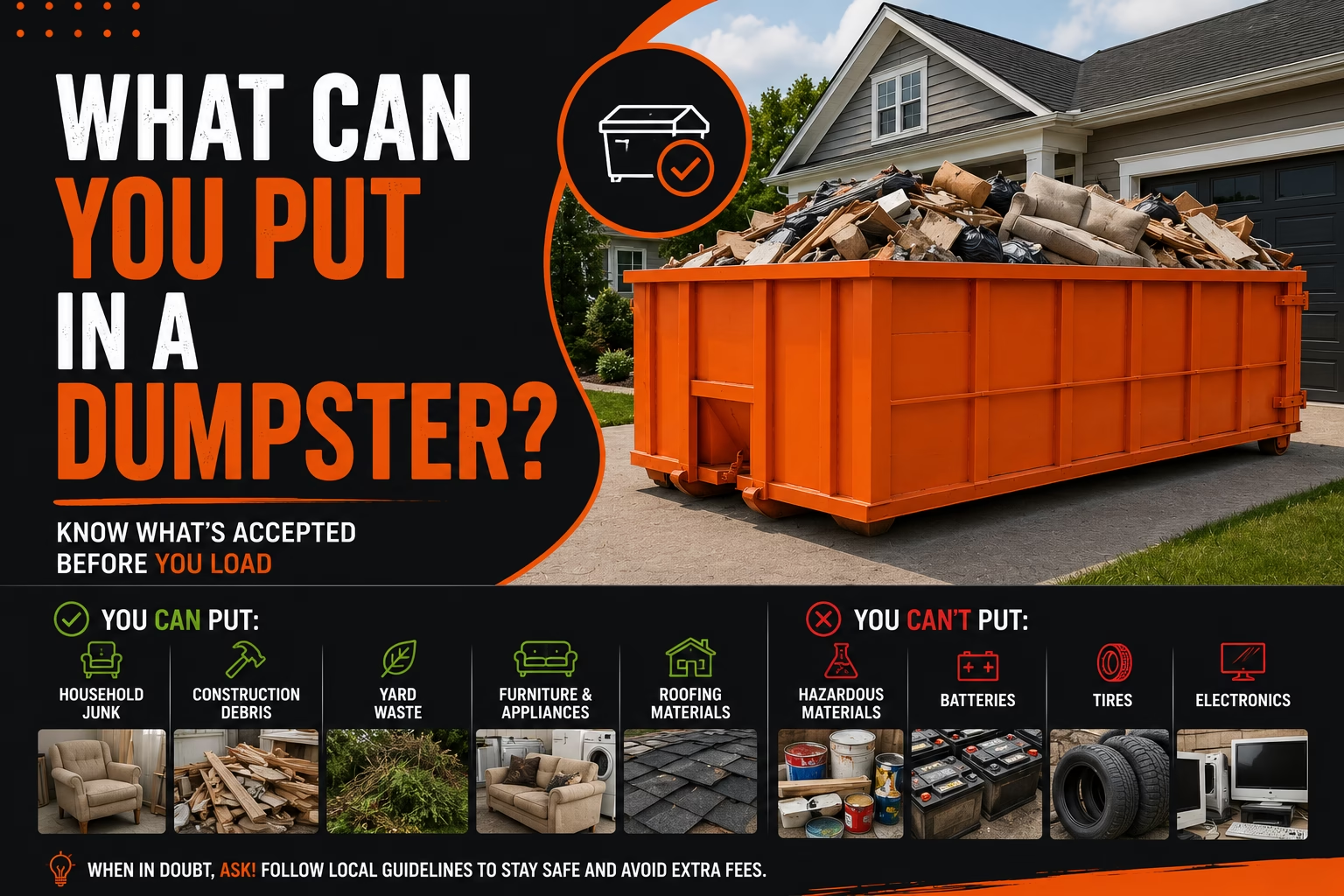
One of the most common questions people ask before renting a dumpster is what they can actually throw away. While dumpsters are designed to handle a wide variety of waste materials, understanding what is commonly accepted can help you avoid delays, additional fees, and disposal issues.
Whether you’re cleaning out a home, renovating a property, replacing a roof, or tackling a construction project, knowing which materials can go into a dumpster makes the cleanup process much easier.
Let’s take a look at some of the most common items that are typically accepted in dumpster rentals.
One of the most common uses for a dumpster is removing unwanted household items.
Common examples include:
Many homeowners utilize a home cleanout dumpster rental when decluttering a property or preparing for a move.
A dumpster provides a convenient place to dispose of items that would otherwise require multiple trips to a disposal facility.
Furniture is one of the most commonly discarded materials during cleanup projects.
Items often placed in dumpsters include:
Large furniture pieces can quickly take up space, making a dumpster an efficient solution during property cleanouts and renovation projects.
Construction projects generate significant amounts of waste that typically cannot be handled through normal residential trash services.
Common construction materials include:
A construction dumpster rental is often used to manage debris generated during remodeling and building projects.
Keeping construction waste contained can improve both safety and efficiency on the job site.
Home improvement projects frequently create a mix of materials that can be placed in a dumpster.
Examples include:
Many homeowners utilize a remodeling dumpster rental when updating kitchens, bathrooms, and other areas of the home.
A dumpster makes it easier to dispose of materials as the project progresses.
Roof replacement projects create large amounts of debris in a short period of time.
Common roofing materials include:
A roofing dumpster rental helps contractors and homeowners manage waste efficiently throughout the project.
Because roofing materials can be heavy, selecting the proper dumpster size is important.
Outdoor projects often generate substantial amounts of debris.
Common yard waste materials include:
Many property owners utilize a yard waste dumpster rental when completing landscaping projects or seasonal property cleanups.
Having a dumpster available can significantly reduce cleanup time.
Garages often become storage areas for unwanted items over the years.
Common garage cleanout materials include:
A garage cleanout dumpster rental can help homeowners reclaim valuable storage space while simplifying the disposal process.
Estate cleanouts and moving projects often generate large volumes of unwanted belongings.
Items commonly disposed of include:
Many customers utilize an estate cleanout dumpster rental or a moving cleanout dumpster rental to help manage debris during major life transitions.
Heavy materials can often be placed in dumpsters, but they frequently require special planning because of weight considerations.
Examples include:
Projects involving these materials often utilize a concrete dumpster rental because heavy debris can quickly reach weight limits.
Always consider material weight when selecting a dumpster.
The amount of material being disposed of will help determine the best dumpster size.
Popular options include:
Selecting the proper size helps ensure you have enough capacity while avoiding unnecessary costs.
Knowing what can be placed in a dumpster helps:
A little planning before delivery can make the entire dumpster rental experience much smoother.
Yes. Furniture such as sofas, chairs, tables, dressers, and shelving units are commonly placed in dumpsters.
Yes. Construction materials such as drywall, lumber, flooring, cabinets, and demolition debris are commonly accepted.
Yes. Branches, brush, shrubs, leaves, and landscaping debris are frequently disposed of in dumpsters.
Yes. Asphalt shingles, roofing felt, flashing, and other roofing debris are commonly disposed of during roof replacement projects.
Yes. Concrete can often be disposed of in dumpsters, although heavy materials typically require special consideration because of weight limits.
Dumpsters are designed to handle a wide range of materials generated during residential, commercial, renovation, roofing, landscaping, and construction projects. Understanding what can typically be placed inside a dumpster helps improve project planning and makes cleanup much more efficient.
Before starting your next project, consider both the volume and type of debris you’ll be disposing of so you can choose the right dumpster size and rental option.