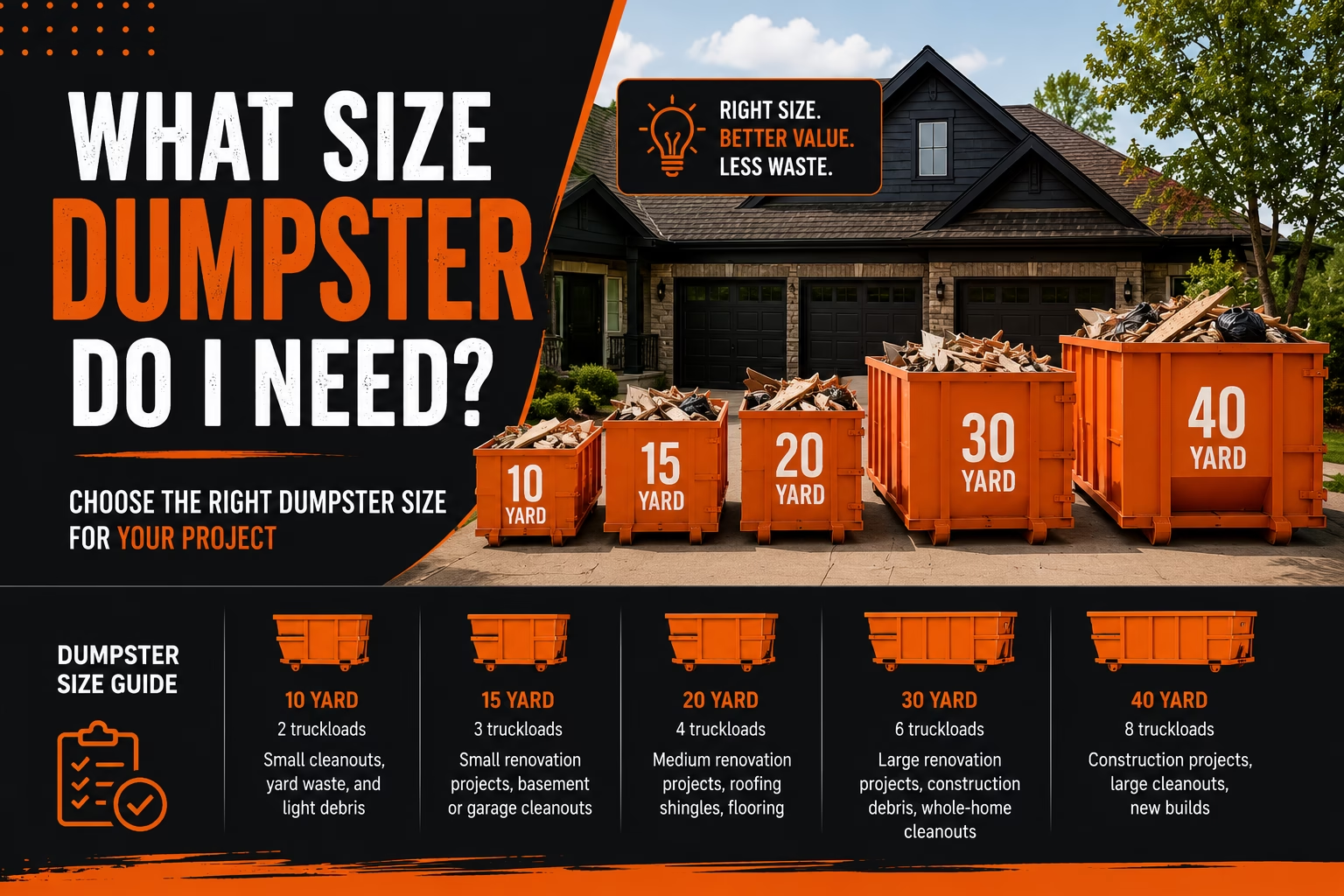
Choosing the right dumpster size is one of the most important decisions when planning a cleanup, renovation, roofing project, or construction job. Renting a dumpster that’s too small can lead to additional rentals and project delays, while choosing one that’s too large may result in paying for capacity you don’t need.
The good news is that selecting the right dumpster size becomes much easier once you understand the scope of your project and the amount of debris you expect to generate.
In this guide, we’ll explain the most common dumpster sizes and the types of projects they are best suited for.
Dumpster size affects more than just how much debris you can dispose of.
Choosing the proper size can help:
The right dumpster allows you to complete your project efficiently without worrying about running out of space halfway through the job.
A 10 Yard Dumpster Rental is often the best choice for smaller projects.
Common uses include:
If you’re cleaning out a single room or tackling a small project, a 10 yard dumpster may provide all the space you need.
A 15 Yard Dumpster Rental offers additional capacity while remaining manageable for residential projects.
Common uses include:
Many homeowners choose a 15 yard dumpster when they expect more debris than a 10 yard container can comfortably handle.
A 20 Yard Dumpster Rental is often considered the most versatile dumpster size.
It’s commonly used for:
For many homeowners, a 20 yard dumpster provides the ideal balance between capacity and convenience.
If you’re unsure which size to choose, this is often the starting point for many projects.
A 30 Yard Dumpster Rental is designed for larger projects that generate substantial amounts of debris.
Common uses include:
Contractors frequently choose 30 yard dumpsters because they provide the additional capacity needed for larger-scale work.
A 40 Yard Dumpster Rental is typically the largest dumpster size available.
Common uses include:
When a project generates significant amounts of debris, a 40 yard dumpster often becomes the most efficient solution.
Home cleanouts vary considerably depending on the size of the property and the amount of clutter involved.
Smaller cleanouts may fit comfortably inside a 10 or 15 yard dumpster.
Many homeowners tackling a home cleanout dumpster rental project choose a 20 yard dumpster because it provides enough room for furniture, boxes, household items, and general debris.
Larger cleanouts may require a 30 yard dumpster.
Roof replacements generate heavy debris that accumulates quickly.
Many residential roofing projects utilize a roofing dumpster rental with a 20 yard container.
Larger homes and commercial roofing projects may require 30 yard dumpsters depending on the amount of material being removed.
Choosing the right size helps ensure roofing crews can work efficiently without running out of space.
The ideal dumpster size depends on the scope of the renovation.
For smaller remodeling projects, a 10 or 15 yard dumpster may be sufficient.
Many homeowners completing a remodeling dumpster rental project choose a 20 yard dumpster because it handles debris generated by kitchens, bathrooms, flooring, and room renovations.
Large renovations often benefit from a 30 yard dumpster.
Outdoor cleanup projects can generate surprising amounts of debris.
Branches, brush, shrubs, fencing materials, and landscaping waste often accumulate quickly.
Many customers choose a yard waste dumpster rental with a 10 or 15 yard dumpster, while larger landscaping projects may require a 20 yard container.
Concrete is different because weight matters more than volume.
Projects involving concrete, brick, asphalt, or masonry materials often utilize a concrete dumpster rental with a smaller container size.
Many concrete projects use 10 or 15 yard dumpsters because heavy materials can quickly reach weight limits.
Many customers make one of two mistakes.
A dumpster that fills up too quickly can result in:
While less common, oversized dumpsters may provide more capacity than necessary and increase project costs.
Carefully estimating debris volume can help avoid both problems.
The 20 yard dumpster is one of the most commonly rented dumpster sizes because it works well for a wide variety of projects.
For many garage cleanouts, a 10 yard dumpster provides sufficient capacity, although larger projects may require a 15 or 20 yard container.
Many residential roofing projects utilize 20 yard dumpsters, while larger roofing jobs may require a 30 yard container.
Many remodeling projects utilize 20 yard dumpsters, although smaller and larger options may be appropriate depending on the project scope.
Many customers start with a 20 yard dumpster because it offers a good balance between capacity and versatility.
The best dumpster size depends on the type of project, the amount of debris being generated, and the materials being removed. Understanding the differences between 10, 15, 20, 30, and 40 yard dumpsters can help you make a more informed decision and avoid unnecessary costs.
Taking a few minutes to evaluate your project needs before renting a dumpster can help ensure a smoother cleanup experience from start to finish.